Acceptance Love Connections

Acceptance vs Anger

What Happens When You Choose to
Do Something or Do Nothing

If You Do Something...

If you choose acceptance, you are actively applying the antidote to expressions of anger in your relationship. Acceptance does not mean you approve of hurtful behavior or ignore real problems. It means you recognize that your partner is a separate human being with limits, history, wounds, and a personality that will not always align with your preferences. Instead of treating every irritation as a personal insult, you begin to see many differences as part of being married to a real person, not a fantasy.

As you grow in acceptance, you stop fighting reality and start working with it. You notice how quickly anger rises in you, what expectations trigger it, and how often your rage is fueled by perfectionism, stress, or past injuries rather than by your partner’s actual intention. This self-awareness gives you more control over your reactions. You can pause, breathe, and choose to respond differently. You start asking yourself, “Is this a serious issue that needs a calm conversation, or is this a moment where I need to accept, adjust, or let go?”

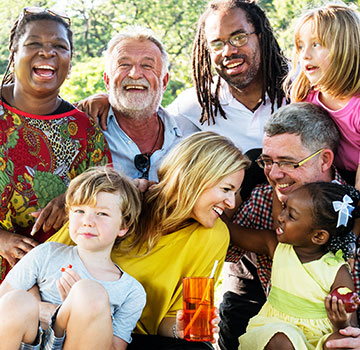
Acceptance softens the emotional climate. Your partner feels safer being imperfect around you, which makes honesty and vulnerability more likely. When people are not under constant attack, they are more open to feedback and more willing to change. Acceptance reduces the fuel that anger feeds on. Over time, it lowers tension, interrupts the cycle of mutual anger, and helps both of you address real problems without turning daily life into a battlefield. The relationship feels less like a constant trial and more like a place where two imperfect people are allowed to be human and grow.

If You Do Nothing...

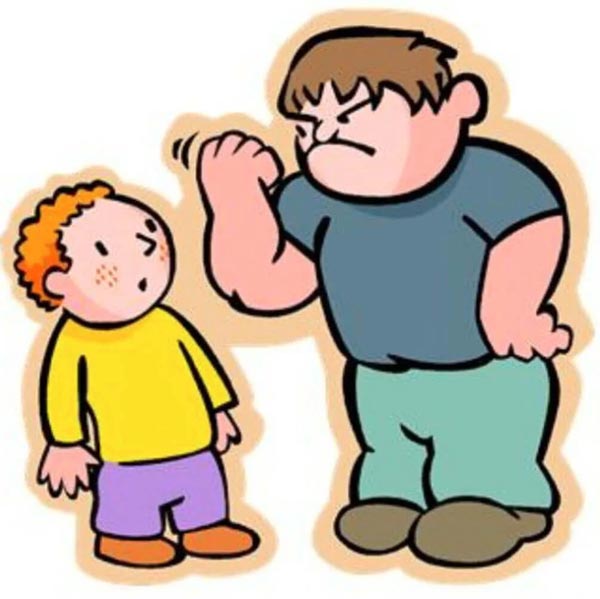
If you do nothing about chronic anger, it becomes one of the most destructive forces in your relationship. Anger that is not understood, owned, and managed rarely stays small. It grows into a pattern. Patterns of anger become the air everyone in the home has to breathe. Even if there is no physical violence, ongoing irritation, criticism, sarcasm, eye-rolling, harsh tones, and emotional edge make your partner feel unsafe, unwanted, and constantly on guard.

Unmanaged anger distorts how you interpret everything. Dishes in the sink become proof of disrespect. A forgotten errand becomes evidence that you do not matter. Personality differences become “defects” instead of differences. As this continues, your partner may become defensive, shut down, or emotionally withdraw to protect themselves. In many relationships, anger escalates into intimidation, verbal abuse, and, in some cases, physical aggression. Trust and intimacy erode quickly when someone never knows which small thing will trigger the next explosion.

Doing nothing also damages the angry person. Chronic anger keeps your body in a heightened state of stress, narrows your thinking, and trains your mind to scan for what is wrong instead of what is good. Love gets crowded out by resentment. The relationship stops being a place of comfort and becomes a place of tension management and emotional survival. Children who grow up in that atmosphere learn to fear anger and may carry those patterns into their adult relationships. Left unchecked, anger quietly kills intimacy, respect, and joy, and can eventually destroy a relationship that might have been healed if the anger had been faced and transformed.


Articles

Videos

Courses