Self-Regulation Love Connections
Self-Regulation Verses Out of Control
What Happens When You Choose to
Do Something or Do Nothing
If You Do Something...
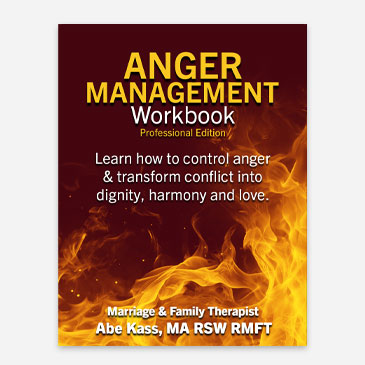
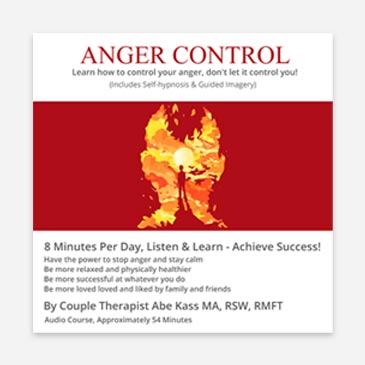
If you build self-regulation, you strengthen one of the most important capacities in intimate relationships. Self-regulation is the ability to notice your emotional state, manage your impulses, and choose your responses more carefully. In marriage, this matters because strong emotions are inevitable. The issue is not whether you will experience anger, hurt, anxiety, jealousy, or overwhelm; the issue is what you do with those emotions once they are activated.
Taking action in this area means learning to pause, calm down, think, and take responsibility for your behavior. You may still feel intense emotions, but you become less likely to explode, threaten, insult, stonewall, or act recklessly. This protects the relationship from unnecessary harm. It also increases your partner’s sense of safety because they no longer feel they are living with a storm system that could erupt at any moment.
Self-regulation improves conflict resolution, decision-making, parenting, and intimacy. It helps you stay present in difficult conversations and recover faster when triggered. Over time, emotional steadiness builds trust. Your partner sees that your moods do not automatically become their punishment. Even if self-regulation is difficult due to stress, trauma, or longstanding habits, taking action in this area can dramatically improve the emotional climate of the relationship.

If You Do Nothing...
If you do nothing and remain out of control, the relationship may become organized around unpredictability. Your partner may begin to monitor your moods, anticipate your reactions, and adjust their behavior to prevent escalation. That is not intimacy; that is survival. It creates chronic stress, emotional fatigue, and a loss of freedom within the marriage.
Being out of control can manifest as rage, impulsive decisions, reckless spending, threats, intimidation, hostile texting, verbal abuse, emotional volatility, or physical aggression. Even when the episodes are intermittent, their impact can be ongoing. Trust erodes because your partner cannot rely on emotional steadiness. The home stops feeling calm and starts feeling unstable.
Doing nothing in this area can also worsen the problem. Every episode that goes unaddressed normalizes the behavior and deepens the pattern. Your partner may become more fearful, more resentful, or more detached. Children may also be affected by the atmosphere. If serious volatility continues, the issue may escalate beyond relationship dissatisfaction into emotional abuse, physical danger, or the collapse of the bond altogether. Left untreated, being out of control can make love feel unsafe.